About me
Research Scientist
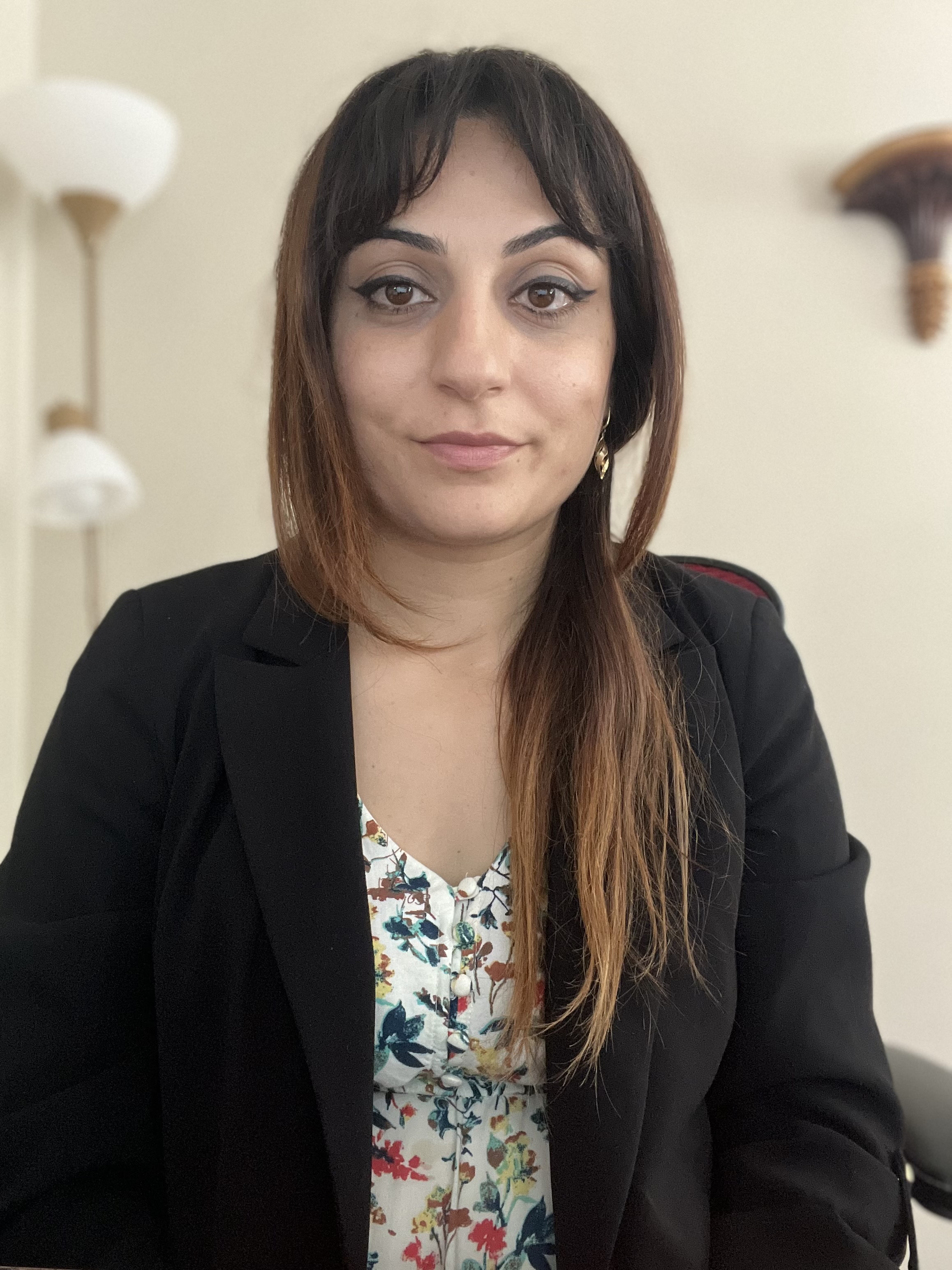
Welcome! I’m Dr. Mariana Khachatryan, a Research Scientist in experimental nuclear and particle physics based in Virginia’s Hampton Roads region, originally from Yerevan, Armenia. My work lies at the intersection of experimental nuclear physics and artificial intelligence, where I apply machine learning techniques to extract physical insight from complex, high dimensional datasets.
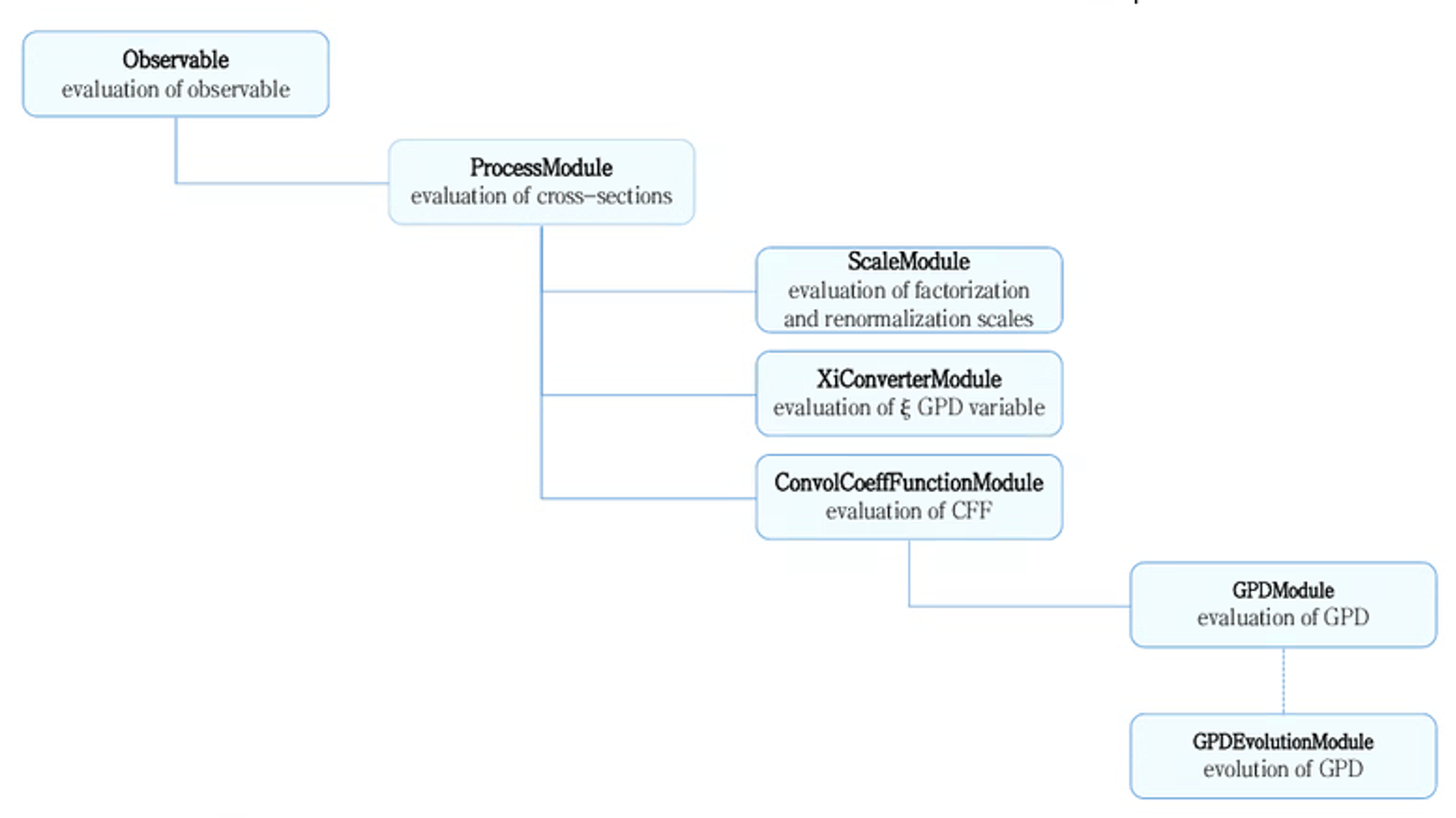
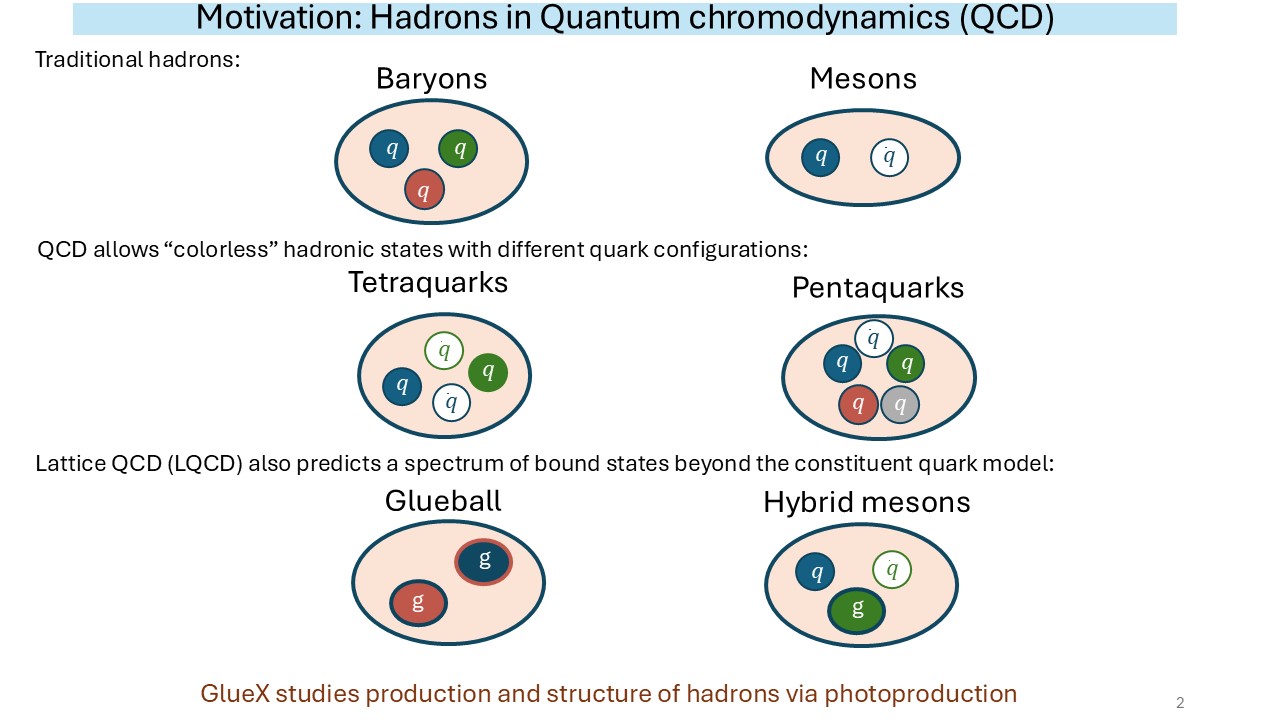
With more than ten years of experience working on experiments at Thomas Jefferson National Accelerator Facility, I specialize in the analysis of large scale particle physics data from CLAS and GlueX collaborations, including studies of meson photoproduction with exotic quantum numbers and 3D proton structure via deeply virtual Compton scattering (DVCS). My research combines statistical inference, Monte Carlo methods, Machine Learning and Artificial Intelligence to uncover the structure of the nucleon and interpret experimental measurements.
Growing up in a family of scientists, I was naturally drawn to discovery and problem solving. During my undergraduate studies at Yerevan State University, I attended the DESY Summer School in Germany, where I completed my first data analysis project and presented results to both technical and non technical audiences. This experience sparked my long term interest in using computational methods to understand physical systems.
I earned my Ph.D. in Physics from Old Dominion University in 2019, following research at Jefferson Lab, and continued as a postdoctoral researcher at Florida International University. My work has resulted in 40+ peer reviewed publications, including research featured in Nature, and has been recognized by multiple institutions.
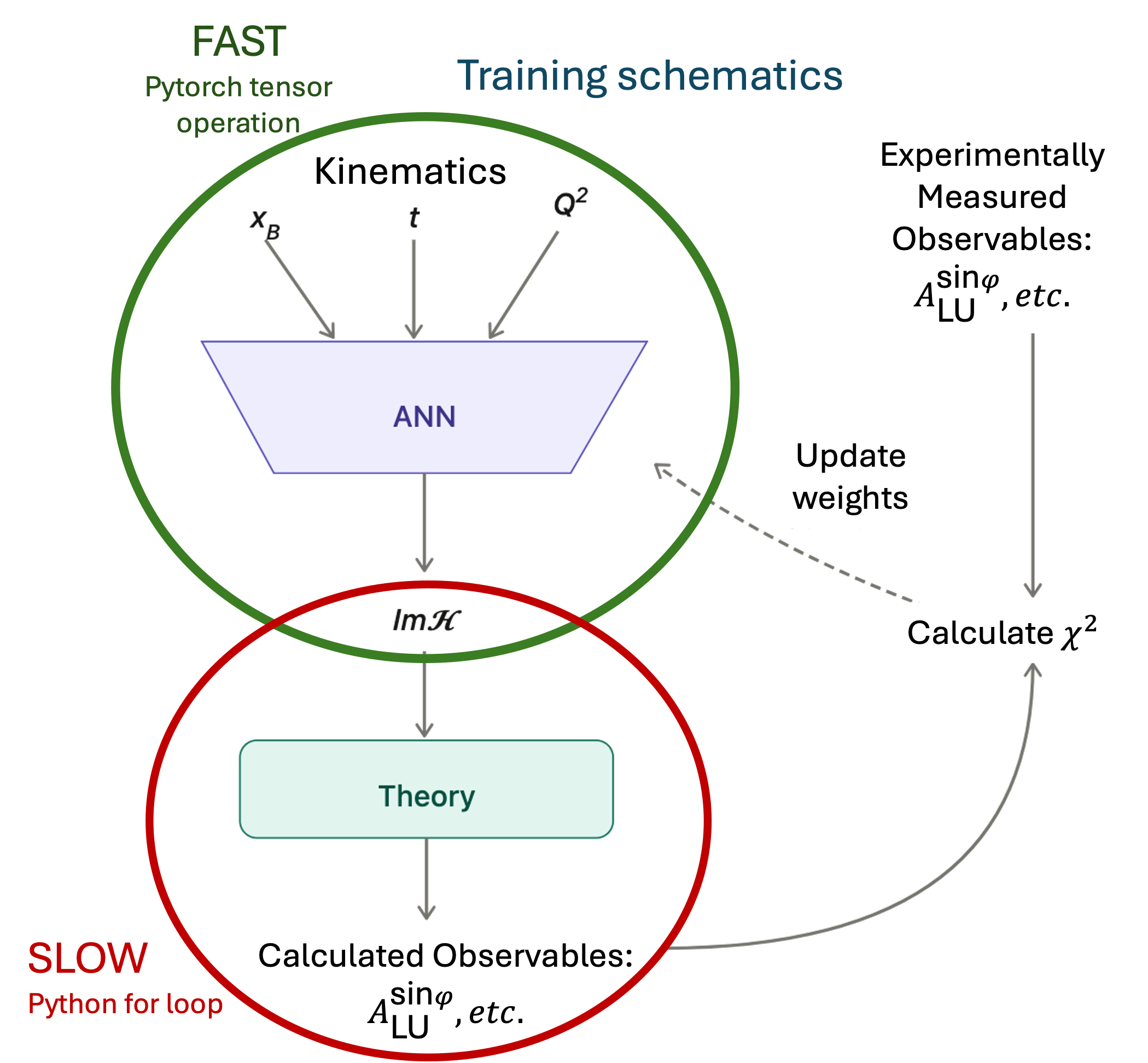
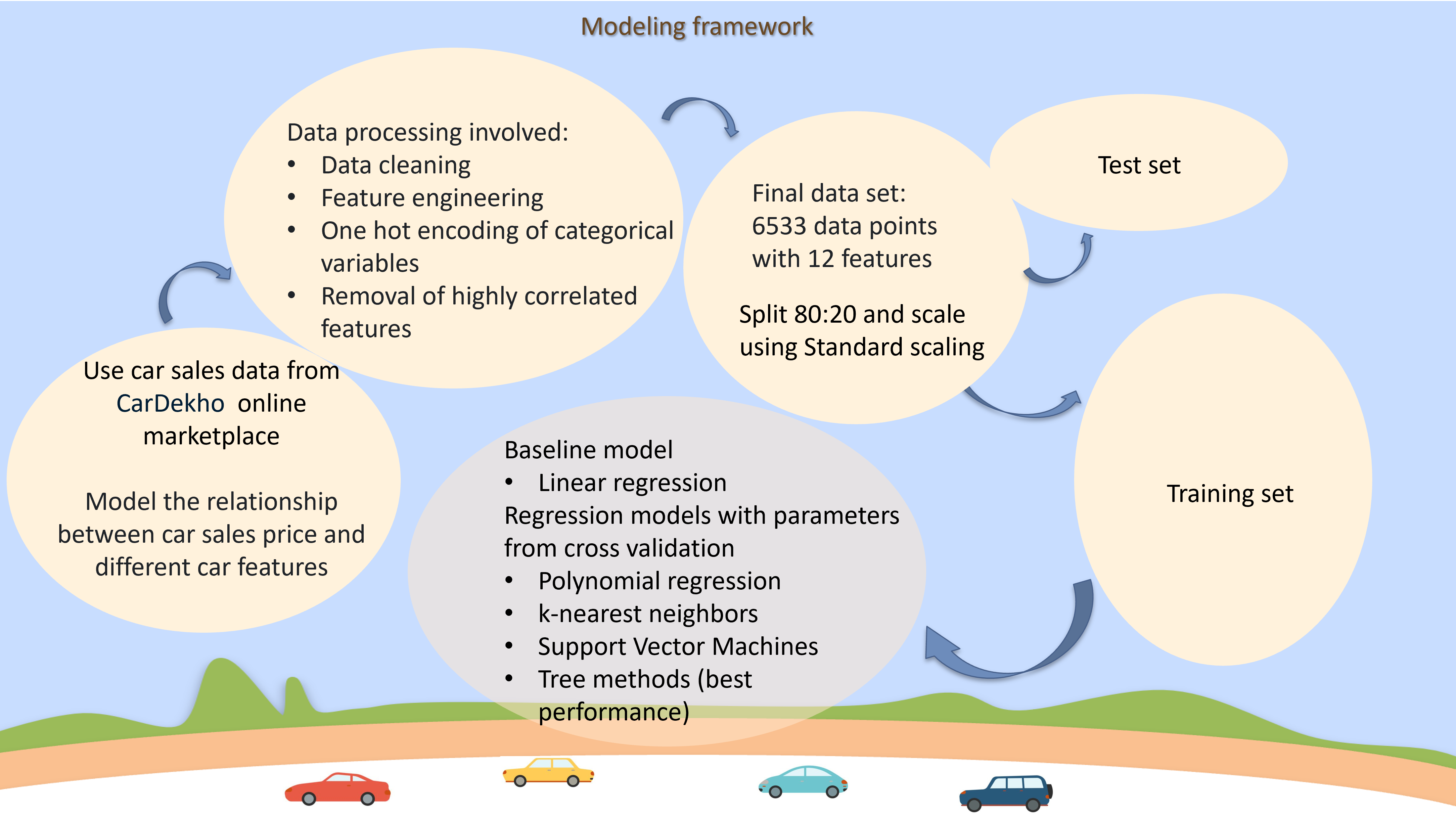
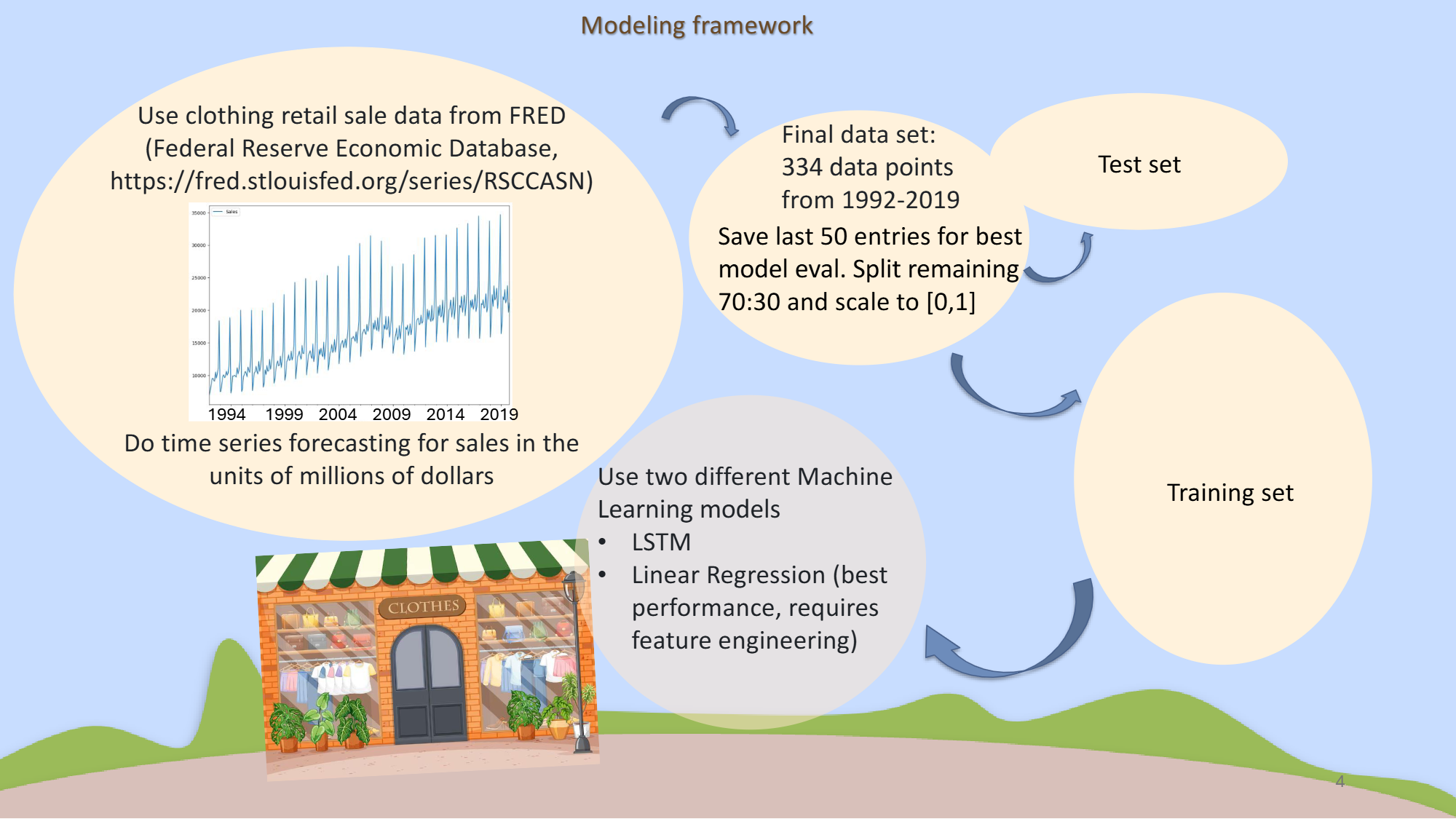
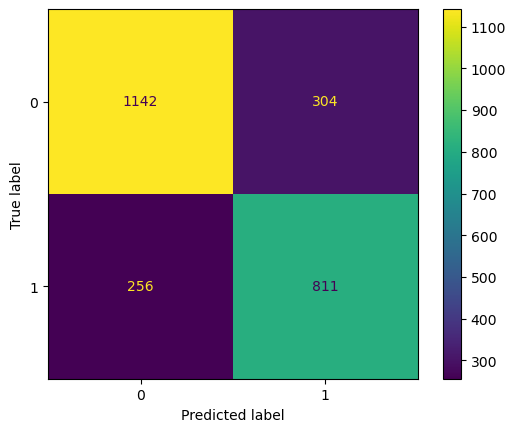
In parallel with my experimental research, I have developed strong expertise in machine learning and artificial intelligence, including neural networks, deep learning, and optimization techniques. My recent work focuses on accelerating DVCS Compton Form Factor fitting using PyTorch based implementations, enabling efficient batch evaluation of custom loss functions and integrating modern ML approaches into physics analysis workflows.
I am particularly interested in advancing the use of AI and machine learning in fundamental physics, as well as applying these methods to other complex scientific and technological problems.
Outside of research, I enjoy traveling, gardening, and gaming on Nintendo Switch activities that keep me curious and creative.